
هل الدراجات الكهربائية مناسبة للقيادة على الشاطئ؟
مع ازدياد شعبية الدراجات الكهربائية في المدن والوجهات السياحية، يتساءل العديد من راكبيها الآن:هل الدراجات الكهربائية مناسبة للقيادة على الشاطئ؟ الإجابة المختصرة هي نعم، ولكن اختيار النوع المناسب من الدراجات الكهربائية وفهم كيفية القيادة على الرمال بأمان أمران أساسيان للاستمتاع بالتجربة.
سواء كنت من عشاق المغامرات الساحلية، أو صاحب عمل في قطاع السياحة، أو مشغل منتجع يفكر في تأجير الدراجات الكهربائية، سيساعدك هذا الدليل على فهم إمكانيات الدراجات الكهربائية على الشاطئ - وكيفية الاستفادة القصوى منه.
لماذا يتجه عشاق الشواطئ إلى الدراجات الكهربائية؟
تُعدّ المدن الساحلية مثالية للرحلات البحرية الهادئة، وإطلالات المحيط الخلابة، والمغامرات في الهواء الطلق. لكن المشي لمسافات طويلة على طول الشاطئ أو ركوب الدراجة التقليدية عبر الرمال قد يصبح مُرهقًا بسرعة. وهنا يأتي دور الدراجات الكهربائية تألق.
تتيح هذه المركبات المزودة بدواسة مساعدة للراكبين استكشاف الشواطئ والممرات والمسارات بسهولة، حيث تجمع بين النشاط البدني والدعم الكهربائي. بالنسبة للسياح، فهي توفر وسيلة سهلة للاستمتاع بمزيد من الساحل. أما بالنسبة للشركات، وخاصة محلات التأجير أو المنتجعات، فإنها تخلق فرصًا جديدة لخدمة الضيوف الباحثين عن وسائل نقل صديقة للبيئة.
تحديات قيادة الدراجات الكهربائية على الرمال
بينما الدراجات الكهربائية تتميز البيئات الشاطئية بتنوعها الكبير، ولكنها قد تشكل بعض التحديات الفريدة:
- رمل سائب يوفر قوة جر قليلة ويزيد من مقاومة التدحرج
- المياه المالحة<ص> و <ص>الرطوبة يمكن أن يؤدي إلى تآكل مكونات الدراجة
- الرياح ورذاذ الملحقد يؤثر ذلك على الأجهزة الإلكترونية بمرور الوقت
مع ذلك، ركوب الخيل على رمل مضغوط بشدة (عادةً ما تكون أقرب إلى خط الماء) أسهل بكثير وأكثر متعة من محاولة اختراق الكثبان الرملية الجافة. مع التصميم المناسب والعناية بعد الركوب، يمكن للدراجات الكهربائية أن تؤدي أداءً جيدًا في الظروف الساحلية.
ما الذي يجعل الدراجة الكهربائية مناسبة للشاطئ؟
ليس كل شيء الدراجات الكهربائية تُصنع الدراجات الكهربائية على قدم المساواة، خاصةً عندما يتعلق الأمر بركوبها على الرمال. إذا كنت تفكر في استخدام الدراجات الكهربائية أو عرضها على الشاطئ، فابحث عن هذه الميزات الأساسية:
إطارات عريضة
تُعدّ الإطارات العريضة (بعرض 3.5-4.8 بوصة) ضرورية لركوب الدراجات على الشاطئ. فهي توفر سطح تلامس أكبر لمنع الدراجة من الغوص في الرمال الناعمة، كما توفر ثباتًا أفضل على التضاريس غير المستوية.
محرك عالي العزم
يلزم محرك قوي - عادةً 500 واط أو أكثر - للحفاظ على السرعة والتحكم في المناطق ذات المقاومة العالية مثل الرمال. ويفضل استخدام محركات الدفع المركزي أو محركات المحور الخلفي لهذا الغرض.
بطارية تدوم طويلاً
قد تكون رحلات الشاطئ أطول وتتطلب طاقة أكبر. تضمن بطارية 48 فولت (أو أكبر) أداءً ثابتًا واستهلاكًا أفضل للوقود، حتى في ظروف القيادة الصعبة.
خيار التحكم في السرعة
تتيح خاصية التحكم في السرعة للراكبين الانطلاق بقوة عبر الرمال الناعمة دون الحاجة إلى التبديل المستمر بين الدواسات، مما يجعلها مثالية للراكبين الأقل خبرة أو السياح العاديين.
مكونات مقاومة للتآكل
ابحث عن الدراجات الكهربائية مصنوعة من الفولاذ المقاوم للصدأ وسبائك الألومنيوم ومحامل محكمة الإغلاق. تساعد هذه المكونات على منع الصدأ والتلف الناتج عن التعرض للهواء المالح والماء.
أجهزة إلكترونية مقاومة للماء
ينبغي وضع وحدات التحكم والبطاريات والمحركات في أغلفة واقية مصنفة لمقاومة الماء (يُفضل أن يكون تصنيف IP65 أو أعلى).
نصائح الصيانة لركوب الدراجات على الشاطئ
ركوب الدراجات بالقرب من المحيط ممتع، لكنه يتطلب عناية إضافية. إليك كيفية الحفاظ عليه. الدراجات الكهربائية بعد مغامرات الرمال:
✅ اشطف الملح والرملمع توفير المياه العذبة بعد كل جولة
✅ جفف الدراجة تماماً قبل التخزين لمنع الصدأ
✅ أعد تشحيم السلسلةغالباً، لأن الرمل والملح يمكن أن يزيلاه
✅ تحقق من ضغط الإطارات بانتظام للحصول على أفضل طفو على الرمال
✅ فحص المكونات الكهربائية لأي علامات تآكل
من يستفيد من الدراجات الكهربائية الجاهزة للشاطئ؟
1. شركات السياحة
تشهد شركات تأجير الدراجات الكهربائية في المدن الساحلية ازدهاراً ملحوظاً. يعشق السياح حرية استكشاف السواحل دون تعب، وتوفر خدمات التأجير نموذجاً مربحاً وقليل الصيانة، لا سيما مع الدراجات ذات الإطارات العريضة المتينة.
2. المنتجعات والفنادق
يمكن للمنتجعات الفاخرة والفنادق الشاطئية أن تقدم دراجات كهربائية مناسبة للشواطئ كجزء من وسائل الراحة المقدمة للضيوف. صُممت هذه الدراجات الكهربائية لتناسب الممرات الرملية والممرات الخشبية، مما يُحسّن التنقل في جميع أنحاء العقارات الكبيرة ويرتقي بتجربة الضيوف من خلال استكشاف الساحل بسهولة.
3. الخدمات البلدية والدوريات
تستخدم العديد من الحكومات المحلية الدراجات الكهربائية لدوريات الشواطئ، وفرق التنظيف، وحراس المتنزهات. فهي أقل ضجيجًا من المركبات الرباعية الدفع، وتقلل من الأثر البيئي مع توفير تغطية فعالة للمساحات الكبيرة.
حلٌّ أكثر ذكاءً للدراجات الكهربائية للعمليات الساحلية
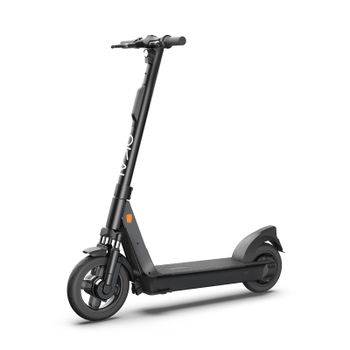
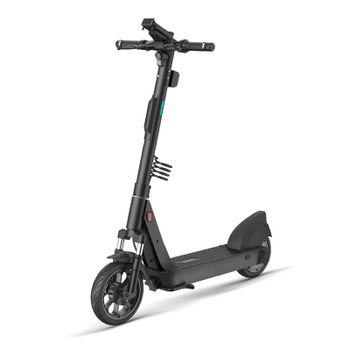
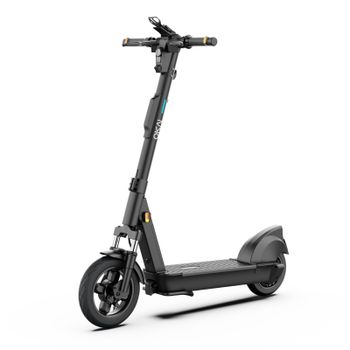
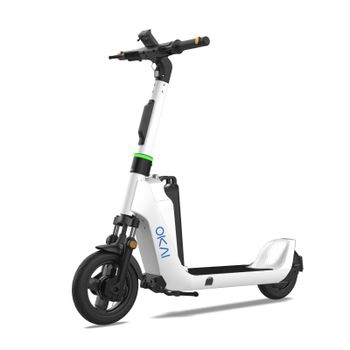
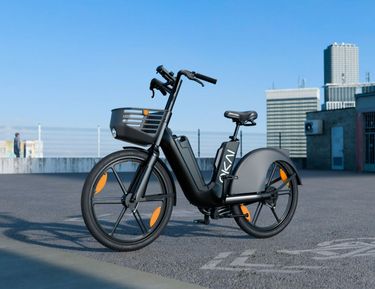
في أوكاي، نتفهم المتطلبات الفريدة للبيئات الساحلية، وقد صممنا دراجاتنا الكهربائية لتلبيتها.طرازات الدراجات الكهربائية ذات الإطارات العريضة والدراجات الكهربائية المناسبة لجميع التضاريس صُممت هذه المركبات خصيصًا للقيادة على الشواطئ، حيث تجمع بين مواد مقاومة للتآكل، ومحركات عالية العزم، وبطاريات طويلة المدى لتقديم أداء موثوق به في أكثر الظروف أهمية. صُممت حلولنا الجاهزة للاستخدام في أساطيل المركبات خصيصًا لشركائنا، وتتميز بنظام تحديد المواقع العالمي (GPS) مدمج، وتشخيص عن بُعد، وإمكانية تخصيص العلامة التجارية لمساعدة شركات التأجير والمنتجعات ومقدمي خدمات النقل على النمو بثقة. سواء كنت تُوسّع أسطولًا سياحيًا أو تُطوّر وسائل النقل في منتجعك، فإن أنظمة التنقل الصغيرة القابلة للتطوير لدينا جاهزة للساحل.
الفوائد البيئية لاستخدام الدراجات الكهربائية على الشاطئ
غالباً ما تكون المناطق الساحلية مناطق حساسة بيئياً. على عكس المركبات الآلية، الدراجات الكهربائية تتميز بأنها هادئة، وخالية من الانبعاثات، ولطيفة على التضاريس، مما يجعلها خيار نقل مستدام.
للبلديات والمنتجعات الحاصلة على شهادة الاستدامة البيئية، نقدم الدراجات الكهربائية يتماشى ذلك مع الأهداف البيئية مع تحسين تنقل الزوار. كما تساعد الدراجات الكهربائية في الحد من ازدحام السيارات في المدن الساحلية، مما يساهم في هواء أنظف وتلوث ضوضائي أقل.
ما يجب تجنبه عند استخدام الدراجات الكهربائية على الشاطئ
للحصول على أفضل تجربة والحفاظ على دراجتك الكهربائية، تجنب الأخطاء الشائعة التالية:
❌ تجنب القيادة عبر مياه البحر أو برك المد والجزر، فهذا يُسرّع من التآكل.
❌ تجنب الكثبان الرملية الجافة والناعمة للغاية التي قد تعلق بها الدراجة
❌ لا تتجاهل أبدًا الشطف والتجفيف بعد ركوب الدراجة في هواء مالح
❌ لا تتجاهل اللافتات - ابتعد عن مناطق الحياة البرية المحمية أو الكثبان الرملية
خواطر أخيرة: هل الدراجات الكهربائية مناسبة للشاطئ؟
بالتأكيد، عندما تختار الطراز المناسب وتعتني به. بفضل إطاراته العريضة ومحركاته القوية ومكوناته المتينة، الدراجات الكهربائية تستطيع هذه المركبات التعامل مع تضاريس الشاطئ بشكل أفضل مما تتوقع. إنها توفر طريقة ممتعة وصديقة للبيئة لاستكشاف الساحل، وفرصة عمل مربحة للعاملين في قطاع السياحة والضيافة.
مع نمو سوق تجارب الدراجات الكهربائية الساحلية، يمكن للراكبين والشركات على حد سواء الاستفادة من تبني هذا العصر الجديد من المغامرات المستدامة.
هل أنت مستعد لتجهيز عملياتك الشاطئية؟
إذا كنت تبحث عن إضافة موثوقة وعالية الأداء الدراجات الكهربائية إلى مشروعك التجاري أو منتجعك أو أسطولك المطل على الشاطئ، الأسباب يوفر الأدوات التي تساعدك على النجاح. من الميزات الذكية إلى التصميمات المتينة، لدينا صُممت الدراجات الكهربائية لمواجهة تحديات الرمال والبحر والشمس.
تعرّف على المزيد حول ما يمكن أن تقدمه OKAI على وموقعك الرسمي<ص>.<ص>
اتصل بنا لدينا الفريق لاستكشاف أسعار الأسطول، وخيارات التخصيص، والدعم اللوجستي.

رقم الهاتف: 1-800-660-3498
بريد إلكتروني:
nihao@okai.co
(لأغراض تجارية)
b2bsupport@okai.co
(للحصول على الدعم الفني)
جميع الحقوق محفوظة لشركة OKAI © 2023.