
رفع مقود الدراجة: خطوات سهلة لتحقيق أقصى قدر من الراحة
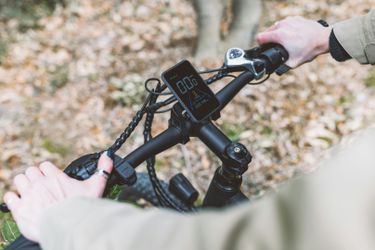
يُعدّ ارتفاع المقود عاملاً حاسماً في راحة الركوب، ولكنه غالباً ما يُهمل. إذا كنت تتساءل عن كيفية رفع مقود الدراجة أو تعديل ارتفاعه، فسيساعدك هذا الدليل. سواء كنت تتنقل يومياً، أو تركب على الطرق الوعرة، أو في المدينة، فإن وضعية المقود الصحيحة تُحسّن وضعية جلوسك، وتحكمك، وتجربة ركوبك بشكل عام.
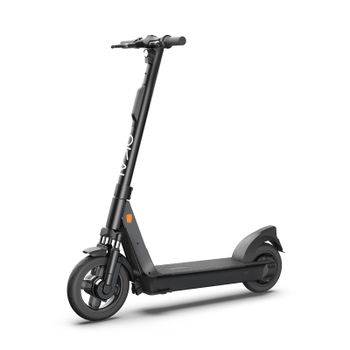
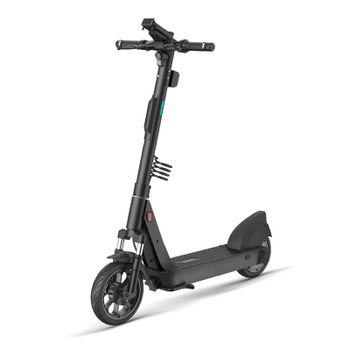
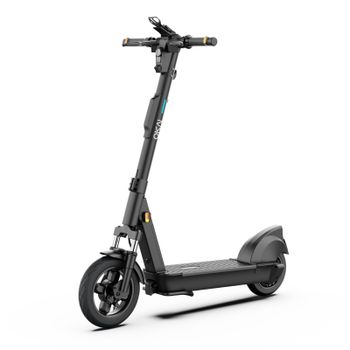
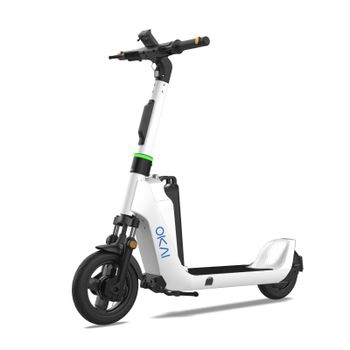
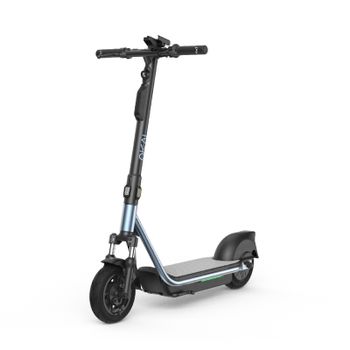
مع التركيز على التصميم الذكي وراحة الركوب،الأسبابيُتيح لك هذا النظام ضبط ارتفاع دراجتك بسهولة لتجربة قيادة أكثر راحة.
في هذا الدليل،الأسبابسنوضح لك كيفية رفع مقود دراجتك بشكل صحيح، مع تغطية الأدوات وأنواع المقود وطرق الضبط والأخطاء الشائعة لضمان شعورك بالراحة في كل مرة تركب فيها الدراجة.
لماذا يُعد ارتفاع المقود مهمًا؟
يؤثر ارتفاع مقود دراجتك بشكل مباشر على وضعية جلوسك أثناء الركوب. فإذا كان منخفضًا جدًا، فقد تنحني وتشعر بعدم الراحة في ظهرك وكتفيك ويديك. من ناحية أخرى، قد يقلل المقود المرتفع جدًا من الكفاءة والتحكم، خاصة عند صعود المرتفعات أو عند السرعات العالية.
يُعدّ ضبط ارتفاع مقود الدراجة بما يتناسب مع جسمك وأسلوب قيادتك أمرًا بالغ الأهمية. إذا كنت تشعر غالبًا بالإجهاد أو عدم الراحة أثناء الرحلات الطويلة، فقد يكون الوقت قد حان لاستكشاف كيفية رفع مقود الدراجة للوصول إلى وضعية أكثر راحة.
الأدوات التي ستحتاجها
قبل البدء، اجمع هذه الأدوات الأساسية:
مفاتيح ألين (عادةً 4 مم، 5 مم، أو 6 مم)
مفتاح ربط مفتوح الطرف أو قابل للتعديل (للدراجات القديمة)
مادة تشحيم (للبراغي العالقة)
مفتاح عزم الدوران (اختياري ولكنه مثالي)
يساعد قياس قطر جذع المقود مسبقًا عند استبدال أو ترقية المكونات.
أنواع سيقان المقود وكيفية تأثيرها على الضبط
ساق ملولبة (ساق ريشة)
يوجد هذا النوع في الدراجات القديمة، وهو أسهل في التعديل. يمكنك رفع المقود عن طريق فك البرغي الموجود في الأعلى، وضبط الارتفاع، ثم إعادة ربطه.
الخطوات:
- قم بفك البرغي العلوي (عادةً باستخدام مفتاح ألين مقاس 6 مم).
- اطرق برفق على البرغي لتحرير الوتد.
- ارفع الساق إلى الارتفاع المطلوب (لا تتجاوز علامة "الحد الأدنى للإدخال").
- قم بمحاذاة الصامولة مع العجلة الأمامية وأعد ربطها بإحكام.
جذع بدون خيوط
تُستخدم هذه السيقان بشكل شائع في الدراجات الحديثة، حيث تُثبّت على أنبوب التوجيه وتُربط بمشبك وغطاء علوي. ويتطلب تعديل الارتفاع إعادة وضع الفواصل أو تغيير زاوية الساق.
الأساليب:
- قم بإزالة الغطاء العلوي وقم بفك براغي الجذع.
- أعد ترتيب الفواصل - ضع المزيد منها أسفل الساق لرفعها.
- أعد تركيب كل شيء وشدّه بالتساوي.
- فكّر في استخدام ساق رافعة لزيادة الارتفاع.
خطوات تفصيلية: كيفية رفع مقود الدراجة وضبط ارتفاعه
الخطوة 1: تحديد نوع ساقك
تحقق مما إذا كان جذع المقود في دراجتك ملولبًا أم غير ملولب. هذا يحدد طريقة الضبط.
الخطوة 2: قم بفك براغي ساق المقود
استخدم المفتاح المناسب لفك ساق الصمام - إما البرغي العلوي (الملولب) أو البراغي الجانبية (غير الملولبة).
الخطوة 3: ضبط الارتفاع
حسب نوع الساق:
الساق الملولبة: ارفع الساق بحرص وقم بمحاذاتها.
جذع بدون أسنان: أعد ترتيب الفواصل أو استبدل الجذع بنموذج ذي ارتفاع أعلى.
الخطوة الرابعة: شدّ وضبط
أحكم ربط البراغي جيدًا وتأكد من محاذاة المقود مع العجلة الأمامية. استخدم مفتاح عزم الدوران إن وجد لضمان الدقة.
الخطوة 5: اختبر دراجتك
قم بجولة قصيرة للتأكد من الراحة والتحكم. قم بإجراء تعديلات طفيفة إذا لزم الأمر.
خلال هذه العملية، تذكر الفكرة الأساسية: كيفية رفع مقود الدراجة بأمان وفعالية.
نصائح إضافية للراحة والأداء
- اضبط ارتفاع سرج الدراجة بما يتناسب مع ارتفاع المقود.
- لا ترفع سقف التوقعات كثيراً دفعة واحدة، بل تدرج في التغييرات.
- يمكن أيضًا تحسين الراحة عن طريق ترقية مقابض الدراجة أو إضافة أطراف مريحة للمقود.
- إذا كنت غير متأكد، فاستشر متجر دراجات محلي أو متخصصًا في ضبط مقاسات الدراجات.
أخطاء شائعة يجب تجنبها
شد البراغي بإحكام زائد، مما قد يؤدي إلى تلف المكونات.
تجاهل سطر "الحد الأدنى للإدخال" على سيقان الريش.
عدم محاذاة المقود مع العجلة الأمامية.
تجاوز تجربة القيادة بعد إجراء التعديلات.
إن العناية والاهتمام المناسبين خلال هذه العملية يمكن أن يساعدا في تجنب الإصابات وتحسين تجربة ركوب الدراجات.
أسئلة شائعة حول تعديلات المقود القياسية
هل يمكن رفع جميع مقابض الدراجات؟
يمكن تعديل معظمها، ولكن قد تكون بعض السيقان المدمجة أو الثابتة في الدراجات المتخصصة محدودة في إمكانية التعديل.
هل سيؤثر رفع المقود على أداء الدراجة؟
ربما. المقود المرتفع يحسن الراحة ولكنه قد يقلل من الكفاءة الديناميكية الهوائية، خاصة في الدراجات الهوائية المخصصة للطرق المعبدة.
هل من الأفضل استخدام فواصل أم استبدال ساق المقود؟
لإجراء تعديلات طفيفة، تُعد الفواصل مثالية. أما بالنسبة لتغييرات الارتفاع الكبيرة، فإن استخدام ساق جديدة بزاوية أكثر حدة يكون أكثر فعالية.
إلى أي مدى يمكنني رفع مقود دراجتي بأمان؟
اتبع إرشادات الشركة المصنعة. في حالة المقود ذي الريشة، لا تتجاوز علامة الارتفاع القصوى. أما في حالة المقود بدون ريشة، فلا تزيد ارتفاع مجموعة المقود عن طول أنبوب التوجيه.
هل ينبغي للمبتدئين رفع مقود دراجاتهم؟
نعم، خاصةً للتنقلات اليومية، أو الركوب الترفيهي، أو للمبتدئين، فإن المقود المرتفع يوفر في كثير من الأحيان وضعية ركوب أكثر استقامة وثباتاً.
هل يمكنني رفع مقود أي دراجة؟
تسمح معظم الدراجات برفع المقود، ولكن تحقق من نوع جذع المقود وإرشادات الشركة المصنعة قبل إجراء أي تعديلات.
الخلاصة: قيادة أفضل مع ارتفاع المقود المناسب
رفع مقود الدراجة هو تحسين بسيط يمكن أن يُحسّن بشكل كبير من الراحة والوضعية ويقلل من الإجهاد. باتباع هذه الخطوات لرفع مقود الدراجة وضبط ارتفاعه، يمكنك الاستمتاع برحلة أكثر سلاسة.
مع تصاميم الدراجات الذكية من أوكاي، تعديل ارتفاع المقود سريع وسهل. بضع أدوات وخطوات بسيطة كفيلة بتحقيق تجربة ركوب دراجات أكثر سلاسة وراحة. تذكر أن تختبر وتضبط حسب الحاجة، فستشعر بالفرق. تفضل بزيارة الأسباب لاستكشاف ابتكاراتنا الدراجات الكهربائيةواحصل على نصائح الخبراء المصممة خصيصًا لتلبية احتياجاتك في ركوب الدراجات.

رقم الهاتف: 1-800-660-3498
بريد إلكتروني:
nihao@okai.co
(لأغراض تجارية)
b2bsupport@okai.co
(للحصول على الدعم الفني)
جميع الحقوق محفوظة لشركة OKAI © 2023.