
هل يمكن للدراجات البخارية الكهربائية أن تحل محل السيارات في الرحلات القصيرة داخل المدينة؟
مع تزايد كثافة المدن وتفاقم الازدحام المروري، يبحث الناس عن طرق أكثر كفاءة وصديقة للبيئة للتنقل. وقد ظهرت الدراجات البخارية الكهربائية كبديل شائع للرحلات الحضرية القصيرة، حيث تقدم خيارًا سريعًا وبأسعار معقولة وصديقًا للبيئة. ولكن هل يمكنها حقًا استبدال السيارات للتنقلات القصيرة في المدينة؟ دعنا نتعمق في فوائد وقيود واستخدامات الدراجات البخارية الكهربائية للسفر الحضري اليومي.
لماذا تعتبر الدراجات البخارية الكهربائية مثالية للسفر في المدينة
تم تصميم الدراجات البخارية الكهربائية لتلبية الاحتياجات المحددة للسفر في المدينة، وخاصة لمسافات قصيرة. وإليك السبب وراء اكتسابها شعبية:
- الراحةتتميز الدراجات البخارية الكهربائية بسهولة ركنها وتوجيهها وتخزينها، مما يجعلها مثالية لشوارع المدينة المزدحمة وأماكن وقوف السيارات المحدودة.
- فعالة من حيث التكلفةمقارنة بامتلاك سيارة، فإن تكلفة شراء وصيانة وتشغيل السكوتر الكهربائي أقل بكثير. فتكلفة شحن السكوتر الكهربائي أقل بكثير من تكلفة تعبئة خزان الوقود أو دفع ثمن تذاكر المواصلات العامة.
- صديق للبيئةبفضل انبعاثاتها الصفرية، تعمل الدراجات البخارية الكهربائية على تقليل البصمة الكربونية وتساهم في توفير هواء أنظف في البيئات الحضرية. تتبنى المدن في جميع أنحاء العالم سياسات صديقة للدراجات البخارية لتعزيز خيارات السفر المستدامة.
- التغلب على الزحام المروريفي المدن المزدحمة بالمرور، توفر الدراجات البخارية وسيلة للتنقل عبر الاختناقات المرورية والوصول إلى الوجهات بشكل أسرع. يسمح تصميمها المدمج للركاب بالتنقل في الشوارع الضيقة والطرق المختصرة.
بالنسبة لسكان المدن الذين يتطلعون إلى تبسيط تنقلاتهم اليومية، توفر الدراجات البخارية الكهربائية بديلاً فعالاً يتماشى مع مبادرات التخطيط الحضري المستدام.
ما مدى المسافة التي يمكنك قطعها على سكوتر كهربائي؟
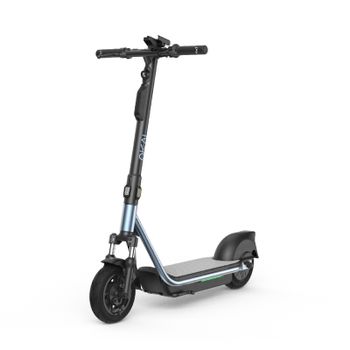
من أكثر الأسئلة شيوعًا: "إلى أي مدى يمكن أن تصل بك الدراجة البخارية؟" الأكثر دراجات كهربائية توفر الدراجات الكهربائية اليوم، مثل تلك التي تنتجها شركة OKAI، مدى يتراوح بين 20 و40 ميلاً بشحنة واحدة. بالنسبة للتنقلات الحضرية العادية، والتي تقل عادةً عن 10 أميال، يمكن للدراجات الكهربائية قطع المسافة بسهولة دون الحاجة إلى إعادة شحنها في منتصف النهار.
العوامل التي تؤثر على النطاق تشمل:
- سعة البطارية: تعمل البطاريات الأكبر على توسيع النطاق ولكنها قد تضيف وزنًا.
- التضاريستستهلك الرحلات الشاقة طاقة بطارية أكبر من الرحلات على الطرق المسطحة.
- السرعة والوزن: إن القيادة بسرعات أعلى أو حمل وزن إضافي يقلل من مدى السكوتر.
بالنسبة للتنقل داخل المدينة، فإن معظم الدراجات البخارية الكهربائية قادرة على التعامل مع احتياجات السفر اليومية، مع عمليات إعادة الشحن السريعة التي تسمح للركاب بالاستعداد لليوم التالي.
المزايا المالية للدراجات البخارية الكهربائية مقارنة بالسيارات
قد يكون امتلاك سيارة في المدينة مكلفًا بسبب رسوم وقوف السيارات المرتفعة وتكاليف الصيانة والوقود والتأمين. وعلى النقيض من ذلك، توفر الدراجات البخارية الكهربائية بديلاً أكثر ملاءمة للميزانية.
- انخفاض الاستثمار الأوليتكلف دراجة بخارية كهربائية عالية الجودة أقل بكثير من تكلفة السيارة، مما يجعلها في متناول عدد أكبر من الأشخاص.
- صيانة بسيطةتتطلب الدراجات البخارية الكهربائية صيانة أقل من السيارات؛ فلا توجد تغييرات للزيت، كما أن عدد الأجزاء المتحركة الأقل يعني إصلاحات أقل.
- تكاليف التزود بالوقود أرخصتتكلف عملية شحن السكوتر الكهربائي جزءًا بسيطًا من تكلفة تعبئة الوقود النموذجية، مما يوفر مئات الآلاف من الدولارات سنويًا.
يمكن أن تساعد الدراجات البخارية الكهربائية سكان المدينة على تقليل نفقات النقل مع الاستمرار في الاستمتاع بنمط مريح من السفر.
الاختيار الصديق للبيئة
بالنسبة لأولئك المهتمين بتقليل بصمتهم الكربونية، توفر الدراجات البخارية الكهربائية طريقة أنظف وأكثر خضرة للسفر. من خلال اختيار دراجة بخارية بدلاً من السيارة للرحلات القصيرة، يمكنك تقليل الانبعاثات بشكل كبير والمساهمة في بيئة أكثر صحة.
- عدم وجود انبعاثاتلا تنتج الدراجات البخارية الكهربائية أي انبعاثات عادم، مما يساعد على تقليل التلوث في المناطق الحضرية المكتظة بالسكان.
- كفاءة الطاقةتستهلك الدراجات البخارية طاقة أقل بكثير لكل ميل مقارنة بالسيارات، حتى عند مقارنتها بالمركبات الكهربائية.
- يعزز التخطيط الحضري المستدامتعمل المدن بشكل متزايد على تصميم مسارات الدراجات وممرات السكوتر، وتشجيع استخدام السكوتر كجزء من استراتيجية النقل الحضري الشاملة والصديقة للبيئة.
في وقت أصبحت فيه الاستدامة أكثر أهمية من أي وقت مضى، توفر الدراجات البخارية الكهربائية بديلاً يتماشى مع الأهداف البيئية ويساعد في تقليل تلوث المدينة.
الدراجات البخارية الكهربائية والبنية التحتية للمدينة
أصبحت الدراجات البخارية الكهربائية أكثر قابلية للتطبيق مع استثمار المدن في البنية الأساسية اللازمة لدعمها. وتسهل ممرات الدراجات البخارية وممرات الدراجات ومحطات وقوف السيارات المخصصة لراكبي الدراجات البخارية التنقل في شوارع المدينة بشكل أكثر أمانًا.
- مسارات الدراجات والسكوترتتميز العديد من المدن الآن بتخصيص مسارات للدراجات البخارية والدراجات الهوائية، مما يقلل من خطر وقوع الحوادث مع المركبات.
- حلول مواقف السياراتتظهر مناطق مواقف عامة للدراجات البخارية في المدن، مما يجعل من المناسب لراكبي الدراجات البخارية ركن دراجاتهم البخارية بشكل آمن.
- محطات الشحنعلى الرغم من أنه يمكن شحن الدراجات البخارية في المنزل في كثير من الأحيان، فإن بعض المدن تقوم بتجربة محطات شحن عامة لاستيعاب الركاب أثناء التنقل.
بفضل البنية التحتية الداعمة، أصبحت الدراجات البخارية الكهربائية أكثر عملية وجاذبية للسفر في المدينة.
القيود الواجب مراعاتها
على الرغم من أن الدراجات البخارية الكهربائية توفر العديد من المزايا، إلا أنها قد لا تكون الخيار الأفضل لكل السيناريوهات.
- الاعتماد على الطقس: يمكن أن تجعل الأمطار والثلوج والبرد الشديد ركوب السكوتر الكهربائي أمرًا صعبًا وغير آمن، مما يحد من استخدامه على مدار العام في بعض المناطق.
- حدود السرعةتقتصر معظم الدراجات البخارية الكهربائية على سرعات تتراوح بين 15 إلى 20 ميلاً في الساعة، وهي سرعة مثالية للرحلات القصيرة ولكنها قد تكون بطيئة للغاية للتنقلات الأطول.
- مخاوف تتعلق بالسلامة: تفتقر الدراجات البخارية الكهربائية إلى الحماية التي توفرها السيارة. لذا فإن ارتداء الخوذات واتباع قواعد السلامة على الطرق أمر ضروري لتقليل المخاطر.
- احتياجات التخزينعلى الرغم من صغر حجمها، لا تزال الدراجات البخارية تتطلب مكانًا آمنًا للتخزين والشحن، وهو ما قد يشكل تحديًا لسكان الشقق الذين لا يملكون مساحة مخصصة.
إن فهم هذه القيود أمر بالغ الأهمية بالنسبة لأولئك الذين يفكرون في التحول بشكل دائم من السيارات إلى الدراجات البخارية.
هل تعتبر الدراجات البخارية الكهربائية بديلاً عمليًا للسيارة؟
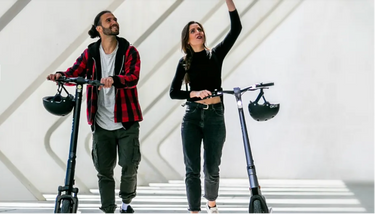
بالنسبة للعديد من سكان المدن، فإن الإجابة هي نعم - على الأقل للرحلات القصيرة. تعد الدراجات البخارية الكهربائية الأنسب لسكان المناطق الحضرية الذين لديهم تنقلات قصيرة، والوصول إلى البنية التحتية الآمنة للركوب، والرغبة في تقليل تأثيرها البيئي. بالنسبة للمهام اليومية، والرحلات إلى العمل، والنزهات الاجتماعية، توفر الدراجات البخارية الكهربائية بديلاً مرنًا وفعالًا للسيارات. ومع ذلك، بالنسبة لأولئك الذين يحتاجون إلى السفر لمسافات طويلة، أو التنقل في طقس سيئ، أو حمل حمولات كبيرة، فقد تظل السيارة ضرورية.
دور شركة OKAI في ثورة السكوتر
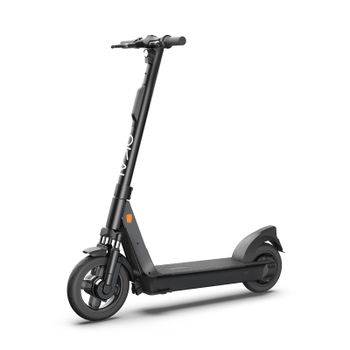
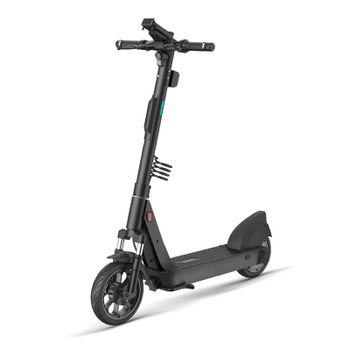
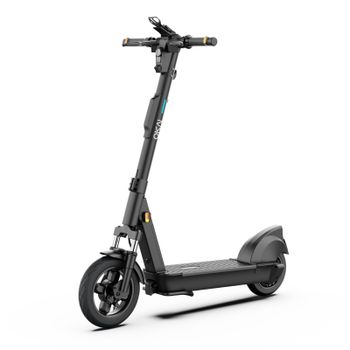
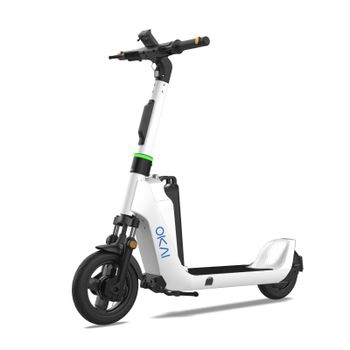
في OKAI، نحن ملتزمون بتوفير دراجات بخارية كهربائية عالية الجودة تجعل السفر في المدينة في متناول الجميع وبأسعار معقولة ومستدامة. مع مجموعة من النماذج لتناسب الاحتياجات المختلفة، توفر دراجات OKAI البخارية المتانة والأناقة والأداء مما يجعلها الخيار المثالي للتنقل في المناطق الحضرية.
تم تصميم سكوترنا لتوفير طاقة موثوقة ونطاق ممتاز وأحدث ميزات الأمان، مما يضمن لك السفر بثقة. سواء كنت تتنقل للعمل أو تستكشف مدينتك، فإن سكوتر OKAI الكهربائي يساعدك على الوصول إلى هناك بسهولة وأناقة.
الخلاصة: احتضان مستقبل السفر الحضري
مع تطور المدن لإعطاء الأولوية للنقل المستدام والحد من الازدحام، تبرز الدراجات البخارية الكهربائية كحل عملي للرحلات القصيرة في المدينة. ورغم أنها قد لا تحل محل السيارات بالكامل، إلا أنها توفر بديلاً مقنعًا للتنقلات اليومية، والمهمات، والنزهات الترفيهية. من خلال اختيار دراجة بخارية كهربائية، يمكنك توفير التكاليف، وتقليل تأثيرك البيئي، وتبني طريقة جديدة لاستكشاف المساحات الحضرية.
استكشف أوكاي المدى من كهربائي دراجات بخاريةلإيجاد النموذج المثالي لأسلوب حياتك في المدينة وجعل الرحلات القصيرة أسهل وأسرع وأكثر خضرة.

رقم الهاتف: 1-800-660-3498
بريد إلكتروني:
nihao@okai.co
(لأغراض تجارية)
b2bsupport@okai.co
(للحصول على الدعم الفني)
جميع الحقوق محفوظة لشركة OKAI © 2023.