logo
التنقل الكهربائي المشترك
تصنيع المعدات الأصلية/تصميم المعدات الأصلية
تكنولوجيا
يدعم
المدونات
عن
اتصل بنا
الدراجات البخارية الكهربائية
الدراجات الكهربائية
سكوتر كهربائي بمقعد
محطة شحن
ES400A
ES400AV2
ES410
ES600P
ES700
الصفحة الرئيسيةNewsAre Electric Scooters Good for Off-Road Riding? Pros, Challenges, and What to Look For
Are Electric Scooters Good for Off-Road Riding

Are Electric Scooters Good for Off-Road Riding?

Electric scooters are no longer limited to smooth city streets and short urban commutes. As battery technology, suspension systems, and motor performance continue to improve, more riders are asking an important question: are electric scooters good for off-road riding?


The short answer is yes — but it depends on the scooter design, terrain type, and riding purpose.


Not every electric scooter is built for rough trails, gravel roads, dirt paths, or uneven terrain. Off-road riding places much higher demands on tire grip, motor torque, suspension durability, and frame stability compared with daily urban commuting.


For riders, fleet operators, and mobility businesses exploring rugged or mixed-terrain applications, understanding the differences between standard scooters and off-road-capable models is essential.


What Makes an Electric Scooter Suitable for Off-Road Riding?


An off-road electric scooter is designed to handle surfaces that are less predictable than paved city roads. This may include gravel paths, dirt trails, forest roads, grass surfaces, and uneven pavement.


To perform safely and comfortably in these conditions, scooters need stronger hardware and better ride stability than standard commuter models.


Tire Design and Surface Grip


One of the biggest differences between urban scooters and off-road electric scooters is tire design.


Off-road scooters usually feature:


  • wider tires
  • deeper tread patterns
  • pneumatic tires
  • larger wheel sizes


These features help improve traction, shock absorption, and stability on rough terrain.


Scooters with small solid tires may perform well in cities but often struggle on uneven surfaces because they provide less cushioning and reduced grip.


Motor Power and Climbing Performance


Off-road riding requires more torque than standard city commuting. Riding uphill or crossing loose terrain places additional load on the motor system, which is why off-road electric scooters typically use higher-powered motors with stronger acceleration and improved hill-climbing capability.


Stable power delivery is especially important when riding on dirt roads, gravel, or wet surfaces where traction may change constantly.


Suspension and Ride Comfort


Suspension is another key factor in off-road scooter performance. Without proper suspension, riders may experience excessive vibration, reduced control, and faster component wear. A high-quality suspension system helps absorb impact from potholes, rocks, and uneven terrain while improving rider comfort and stability.


For longer outdoor rides or commercial fleet deployment, dual suspension systems often provide a better balance between comfort and durability.


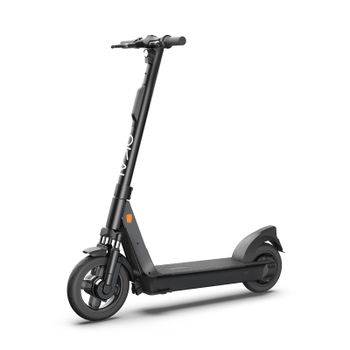
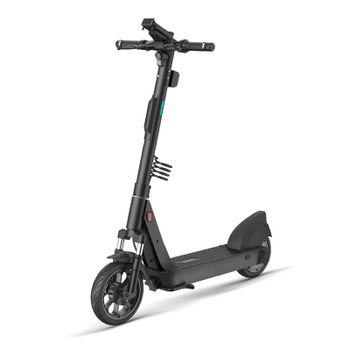
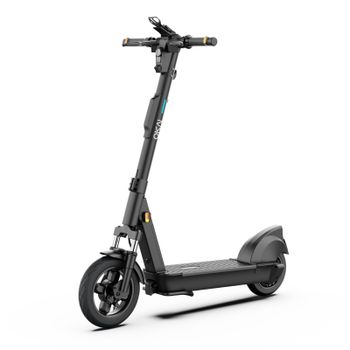
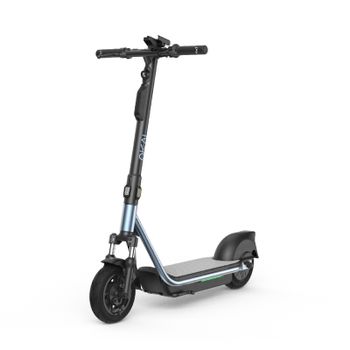
A good example is the OKAI ES400A V2, which is designed with fleet-grade durability, larger tires, and enhanced riding stability for demanding urban and mixed-terrain environments. Its commercial-focused design helps support smoother rides across uneven roads, parks, campuses, and outdoor mobility scenarios without compromising operational reliability.

Are Off-Road Electric Scooters Good for Daily Commuting?


Many riders assume off-road scooters are only useful for trails or outdoor recreation, but that is not always the case.


Modern off-road-capable scooters are increasingly used for:


  • mixed urban commuting
  • campus transportation
  • tourism mobility
  • parks and outdoor attractions
  • industrial zones and large properties


Advantages of Off-Road Scooters in Urban Areas


In cities with rough pavement, potholes, or uneven bike lanes, off-road scooters can actually provide a more stable and comfortable riding experience than lightweight commuter models.


Larger tires and stronger suspension systems help absorb road imperfections, which can reduce rider fatigue during longer commutes.


Trade-Offs to Consider


However, off-road electric scooters are usually:


  • heavier
  • larger in size
  • less portable
  • more expensive


For riders who prioritize compact storage and lightweight transportation, a standard commuter scooter may still be the better option.


Battery Performance in Off-Road Riding Conditions


Battery performance often changes significantly in off-road environments. Compared with smooth city riding, rough terrain typically consumes more energy because the motor must work harder to maintain speed and traction.


Factors that may reduce battery range include:


  • steep inclines
  • loose surfaces
  • rider weight
  • frequent acceleration
  • cold weather conditions


As a result, the actual riding range may be lower than manufacturer estimates based on flat urban roads. For fleet operators and commercial mobility businesses, battery efficiency and charging management become especially important in outdoor deployment scenarios.


Common Limitations of Off-Road Electric Scooters


Although off-road electric scooters offer better terrain capability, they also come with certain limitations.


Increased Maintenance Requirements


Riding on rough terrain may lead to:

  • faster tire wear
  • increased suspension stress
  • higher maintenance frequency
  • additional cleaning requirements


This is especially important for shared mobility fleets operating in demanding environments.


Not Every “Off-Road Scooter” Is Truly Built for Rugged Terrain


Some scooters marketed as off-road models may only include larger tires without offering the durability needed for long-term outdoor use. For this reason, riders and operators should pay attention to:

  • frame construction
  • waterproof rating
  • suspension quality
  • motor reliability
  • overall build durability


Commercial-grade design often matters more than marketing claims.


How Fleet Operators Use Off-Road Electric Scooters


Off-road-capable scooters are increasingly being used in commercial and shared mobility applications beyond traditional urban commuting.


Examples include:

  • resorts and tourism destinations
  • large campuses
  • parks and recreational zones
  • industrial facilities
  • mixed-terrain transportation networks


Why Durability Matters for Commercial Deployment


For fleet operators, reliability is just as important as rider experience. Commercial mobility businesses typically prioritize:


  • durable scooter frames
  • weather resistance
  • simplified maintenance
  • long-term operational stability
  • efficient charging infrastructure


This is why fleet-ready scooter platforms are often designed differently from consumer-focused recreational models.


What to Look for in an Off-Road Electric Scooter


Choosing the right off-road electric scooter depends on how and where the scooter will be used.


FeatureWhy It Matters
Tire Size & TreadImproves grip and stability
Suspension SystemEnhances comfort on rough terrain
Motor TorqueSupports climbing and acceleration
Waterproof RatingProtects electronics outdoors
Battery CapacityExtends riding range
Frame DurabilitySupports long-term reliability


Features Important for Fleet Applications


For commercial operators, additional considerations may include:


  • charging infrastructure compatibility
  • maintenance accessibility
  • fleet connectivity systems
  • deployment scalability


These factors can significantly affect long-term operating costs and fleet efficiency.


Conclusion


Electric scooters can absolutely be suitable for off-road riding when designed with the right combination of tire grip, suspension, motor performance, and durability.


While not every scooter is built for rugged environments, modern off-road electric scooters are increasingly supporting outdoor recreation, tourism, mixed-terrain commuting, and commercial mobility applications.


As micromobility technology continues to evolve, off-road-capable scooters are becoming more versatile, helping bridge the gap between urban transportation and outdoor mobility needs.

مشاركة
المقالة السابقة
المقالة التالية

رقم الهاتف: 1-800-660-3498


بريد إلكتروني:  

nihao@okai.co  

(لأغراض تجارية)

b2bsupport@okai.co  

(للحصول على الدعم الفني)

الدراجات البخارية الكهربائية
الدراجات الكهربائية
تصنيع المعدات الأصلية/تصميم المعدات الأصلية
معلومات عنا
الشروط والسياسة

جميع الحقوق محفوظة لشركة OKAI © 2023.