
سوق الدراجات الكهربائية العالمي في عام 2025: توقعات النمو والاتجاهات الرئيسية
دخل سوق الدراجات الكهربائية العالمي مرحلة محورية في عام 2025. من مستخدمي الدراجات في المراكز الحضرية إلى مزودي الخدمات اللوجستية الذين يتولون توصيل الميل الأخير،الدراجات الكهربائيةأصبحت وسائل النقل جزءًا لا يتجزأ من وسائل النقل اليومية عبر القارات. ومع تزايد الطلب، والتقدم التكنولوجي، وتوافق أهداف المناخ، فإن وسائل النقل أصبحت جزءًا لا يتجزأ من وسائل النقل اليومية عبر القارات. صناعة الدراجات الكهربائية العالمية تتسارع نحو مستقبل أكثر ذكاءً واستدامة.
تتناول هذه المدونة نظرة فاحصة على توقعات النمو الرئيسية، والاتجاهات الناشئة للدراجات الكهربائية، وكيف تستغل الشركات والحكومات على حد سواء الفرص الجديدة في سوق الدراجات الكهربائية العالمية.
لمحة عن السوق: ارتفاع عالمي في استخدام الدراجات الكهربائية
في عام 2025، سوق الدراجات الكهربائية العالمي يسير على المسار الصحيح لتجاوز 90 مليار دولار، مدفوعة بالوعي البيئي، وارتفاع تكاليف الوقود، وتغير احتياجات التنقل الحضري. ويتوقع المحللون أن معدل نمو سنوي مركب يتراوح بين 10% و12% حتى عام 2030، مما يؤكد سوق الدراجات الكهربائية باعتبارها واحدة من أكثر القطاعات ديناميكية في مجال النقل الأخضر.
يتضح النمو بشكل خاص في أوروبا وآسيا والمحيط الهادئ وأمريكا الشمالية، حيث يُعيد توسيع البنية التحتية والحوافز الضريبية وتغيرات نمط الحياة تشكيل التنقل. ومع ازدياد الطلب، سوق الدراجات الكهربائية في عام 2025 هو يجذب هذا الأمر انتباه مشغلي الأعمال التجارية بين الشركات، ومديري الأساطيل، والمستثمرين الراغبين في الاستفادة من هذا التحول.
ما الذي يحفز نمو سوق الدراجات الكهربائية العالمية؟
1. الأهداف البيئية وتفويضات الاستدامة
تشجع الحكومات في جميع أنحاء العالم وسائل النقل الخالية من الانبعاثات. سوق الدراجات الكهربائية العالمي يتماشى تماماً مع استراتيجيات إزالة الكربون، حيث يوفر انبعاثات صفرية من العادم، وتلوث ضوضائي منخفض، واستهلاك الطاقة الأدنى.
2. الازدحام الحضري والبنية التحتية الذكية
في المدن الكبرى، حيث يمثل الازدحام المروري تحديًا يوميًا، توفر الدراجات الكهربائية بديلاً سريعًا وموفرًا للمساحة مقارنةً بالسيارات. وتعمل المدن على إنشاء مسارات جديدة، وأنظمة تحكم مرورية ذكية، ومنصات لمشاركة الدراجات، مما يزيد من انتشارها. ال صناعة الدراجات الكهربائية.
3. الضغوط الاقتصادية وضغوط الوقود
أدى ارتفاع تكلفة امتلاك وصيانة المركبات، بالإضافة إلى تقلب أسعار الوقود العالمية، إلى جعل الدراجات الكهربائية بديلاً مالياً جذاباً. ويقبل عليها الركاب وسائقو التوصيل وأصحاب الأعمال الصغيرة. ال صناعة الدراجات الكهربائية لأجلها القدرة على تحمل التكاليف وسهولة الوصول.
4. تغييرات في الصحة ونمط الحياة
يُقدّر المستهلكون المهتمون بصحتهم الطبيعة الهجينة للدراجات الكهربائية. فهي توفر فوائد التمارين الخفيفة بمساعدة الطاقة الكهربائية، مما يجعلها مثالية لشريحة واسعة من المستهلكين. عبر سوق الدراجات الكهربائية العالمي.
الابتكارات التقنية التي تدعم صناعة الدراجات الكهربائية في عام 2025
اليوم اتجاهات صناعة الدراجات الكهربائية تتميز هذه التقنيات بالتطورات السريعة في الأجهزة والبرامج. سوق الدراجات الكهربائية العالمي، المنتجات الآن تتميز بما يلي:
- مدى بطارية أطول – يصل مداها إلى 120 كيلومترًا لكل شحنة مع إمكانية الشحن السريع.
- أنظمة البطاريات القابلة للاستبدال – مثالي لأسطول التوصيل ومقدمي خدمات التأجير.
- تكامل إنترنت الأشياء – تتبع نظام تحديد المواقع العالمي (GPS)، والتحكم عبر تطبيق الهاتف المحمول، والتشخيص عن بُعد.
- تحسين كفاءة المحرك – توصيل عزم دوران أكثر سلاسة ومتانة محسّنة.
هذه الابتكارات تعيد تشكيل التوقعات في جميع أنحاء سوق الدراجات الكهربائية، ليس فقط للمستهلكين ولكن أيضًا للشركات التي تدير أساطيل مشتركة أو خدمات توصيل الميل الأخير.
القطاعات الرئيسية في صناعة الدراجات الكهربائية العالمية
The سوق الدراجات الكهربائية العالمي في عام 2025 هو متنوعة، مع طلب يمتد عبر قطاعات متعددة:
المسافرون عبر المدن
يستخدم الشباب المهنيون والطلاب والعاملون في المدن حول العالم الدراجات الكهربائية كوسيلة نقل يومية، لا سيما في المناطق التي تدعم فيها البنية التحتية ركوب الدراجات بسرعة وأمان.
أسطول النقل التجاري والتوصيل
The سوق الدراجات الكهربائية للشحن و تشهد الخدمات اللوجستية نموًا سريعًا. ويتجه تجار التجزئة وتطبيقات التوصيل إلى استخدام الدراجات الكهربائية لنقل البضائع من أجل خفض الانبعاثات وتقليل التكاليف<ص>.<ص>
ترفيهي وعلى الطرق الوعرة
يدفع الباحثون عن المغامرة في أوروبا وأمريكا الشمالية بالجانب الترفيهي من صناعة الدراجات الكهربائية العالمية، تتطلب تصميمات أكثر متانة ومدى بطارية أطول.
التنقل المشترك
تعمل منصات مشاركة الدراجات الكهربائية في المدن الذكية على توسيع أساطيلها لتلبية الطلب المتزايد من المستخدمين. وتساهم هذه الأنظمة في تخفيف الازدحام المروري وخفض الانبعاثات في آن واحد.
تكامل الأعمال بسلاسة: التزامنا تجاه سوق الدراجات الكهربائية العالمي
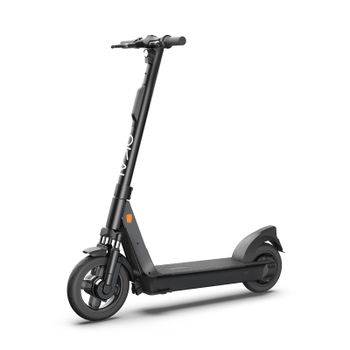
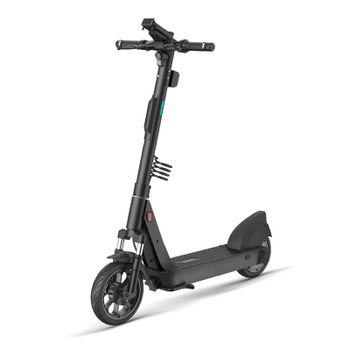
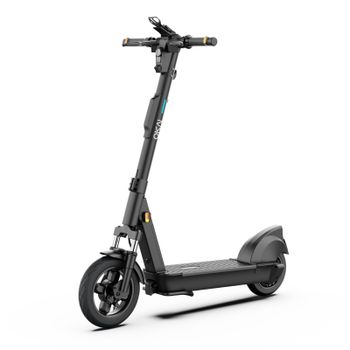
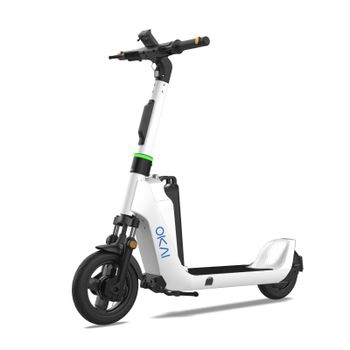
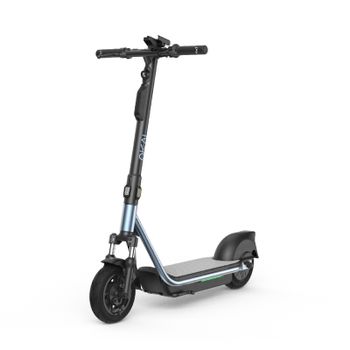
في أوكاي، نتفهم المتطلبات المتطورة لـ سوق الدراجات الكهربائية العالمي - ونحن هنا لمساعدة الشركات على مواجهته مباشرةً. بصفتنا شركة رائدة في ابتكار وسائل النقل الصغيرة، فإننا نوفر دراجات كهربائية متطورة ومنصات أساطيل ذكية مصممة خصيصًا للتطبيقات التجارية، بما في ذلك التنقل الحضري، وخدمات التوصيل للميل الأخير، وخدمات التنقل المشترك.
صُممت حلولنا الموجهة للشركات (B2B) لتوفير أداءٍ عالٍ وقابليةٍ للتوسع. بدءًا من تكامل إنترنت الأشياء وتتبع نظام تحديد المواقع العالمي (GPS) وصولًا إلى أنظمة البطاريات المعيارية والصيانة التنبؤية، تدعم كل ميزة الكفاءة التشغيلية ورضا المستخدمين. سواءً كنت تُطلق أسطولًا جديدًا أو تُحدّث أسطولًا قائمًا، تُقدّم لك OKAI التكنولوجيا والخبرة التي تحتاجها للنجاح في سوقٍ سريع التطور. سوق الدراجات الكهربائية.
استكشف مجموعتنا الكاملة من العروض التجارية هنا.
أبرز الأحداث الإقليمية في سوق الدراجات الكهربائية العالمي
أوروبا: رائدة الاستدامة
بفضل البنية التحتية المتطورة للدراجات الهوائية واللوائح البيئية الصارمة، تواصل أوروبا ريادتها في هذا المجال. سوق الدراجات الكهربائية العالمي البنزين للفرد الاعتماد. تتصدر ألمانيا وهولندا وفرنسا قوائم مبيعات الدراجات الكهربائية.
أمريكا الشمالية: الأسرع نمواً
تساهم الإعفاءات الضريبية، ومخاوف تكلفة الوقود، وتغير السياسات الحضرية في دفع النمو المتسارع في سوق الدراجات الكهربائية في الولايات المتحدة وكندا. المزيد من المدن تطلق برامج دعم وتوسع شبكات مسارات الدراجات.
آسيا والمحيط الهادئ: محرك الحجم
تهيمن منطقة آسيا والمحيط الهادئ على صناعة الدراجات الكهربائية العالمية في الحجم. لا تزال الصين أكبر مصنّع ومستهلك في العالم، بينما تُظهر الأسواق الناشئة مثل الهند وإندونيسيا إمكانات نمو هائلة.
نظرة مستقبلية: ما هو التالي لصناعة الدراجات الكهربائية العالمية؟
البطاريات كخدمة (BaaS)
تساهم أنظمة البطاريات القائمة على الاشتراك في خفض التكاليف وتبسيط العمليات للأسطول الكبير. من المتوقع أن يتبنى المزيد من مزودي خدمات الأعمال هذا النموذج في المستقبل. سوق الدراجات الكهربائية.
الذكاء الاصطناعي والصيانة التنبؤية
مشغلو الأساطيل في ال صناعة الدراجات الكهربائية العالمية يستخدمون البيانات بشكل متزايد لمنع توقف العمل، وتحسين السلامة، وتحسين المسارات.
التكامل مع المدن الذكية
أصبحت الدراجات الكهربائية جزءاً من أنظمة التنقل الحضري المتكاملة، حيث تتصل بسلاسة مع الحافلات والمترو وحلول مواقف السيارات الذكية.
النمطية والتخصيص
The سوق الدراجات الكهربائية في عام 2025 تركز على الحلول الشخصية، بدءًا من المكونات القابلة للتعديل وصولًا إلى خيارات العلامات التجارية لخدمات التوصيل وخدمات مشاركة الركوب.
استراتيجية الأعمال للتنقل في سوق الدراجات الكهربائية العالمية
لتحقيق النجاح في التوسع سوق الدراجات الكهربائية العالمي، ينبغي على الشركات:
- الامتثال للقوانين المحلية: فهم قواعد الخوذة، وحدود الطاقة، وتقسيم المناطق.
- إعطاء الأولوية لدعم ما بعد البيع: استثمر في مراكز الصيانة وتوفير قطع الغيار.
- شراكة مع مصنعي المعدات الأصلية القابلين للتوسع: تعاون مع موردين مثل OKAI الذين يقدمون حلولاً متكاملة وشاملة.
- عرض المؤهلات الخضراء: تسليط الضوء على مبادرات الاستدامة لجذب المستهلكين والعملاء المهتمين بالبيئة.
خواطر ختامية: لماذا يُعد عام 2025 عامًا محوريًا؟
The سوق الدراجات الكهربائية العالمي في عام 2025 لم يعد قطاع الدراجات الكهربائية مجالاً ناشئاً، بل أصبح قطاعاً مزدهراً مهيأً للتحول العالمي. ومع توافق الحكومات والشركات والمستهلكين جميعاً نحو وسائل نقل أكثر ذكاءً، أصبحت الدراجات الكهربائية الآن جزءاً أساسياً من منظومة التنقل العالمية.
من التوصيل الحضري إلى أساطيل الشركات، النجاح في صناعة الدراجات الكهربائية العالمية يتطلب ذلك استراتيجية استشرافية، وتكنولوجيا موثوقة، وشركاء جديرين بالثقة. حلول OKAI الجاهزة لقطاع الأعمال B2Bونظرًا لنمو السوق السريع، فقد حان الوقت لاغتنام هذه الفرصة الواعدة.

رقم الهاتف: 1-800-660-3498
بريد إلكتروني:
nihao@okai.co
(لأغراض تجارية)
b2bsupport@okai.co
(للحصول على الدعم الفني)
جميع الحقوق محفوظة لشركة OKAI © 2023.